Germany's 300,000 worker whortage - The full picture
Germany has become the headline everyone in renewable energy has seen.
"Germany needs 300,000 more workers."
It is a striking figure. It appears in recruitment discussions, conference presentations and government policy papers. But like most labour market statistics, the reality is far more nuanced.
For employers expanding renewable energy projects across Germany, understanding what sits behind that number matters far more than simply quoting it.
Because Germany doesn't have one labour shortage.
It has dozens of different shortages happening at the same time.
A country caught between two labour markets
On paper, Germany should be one of Europe's strongest employment markets.
It has one of the world's largest industrial economies, ambitious climate targets, and some of the most aggressive renewable energy expansion plans in Europe.
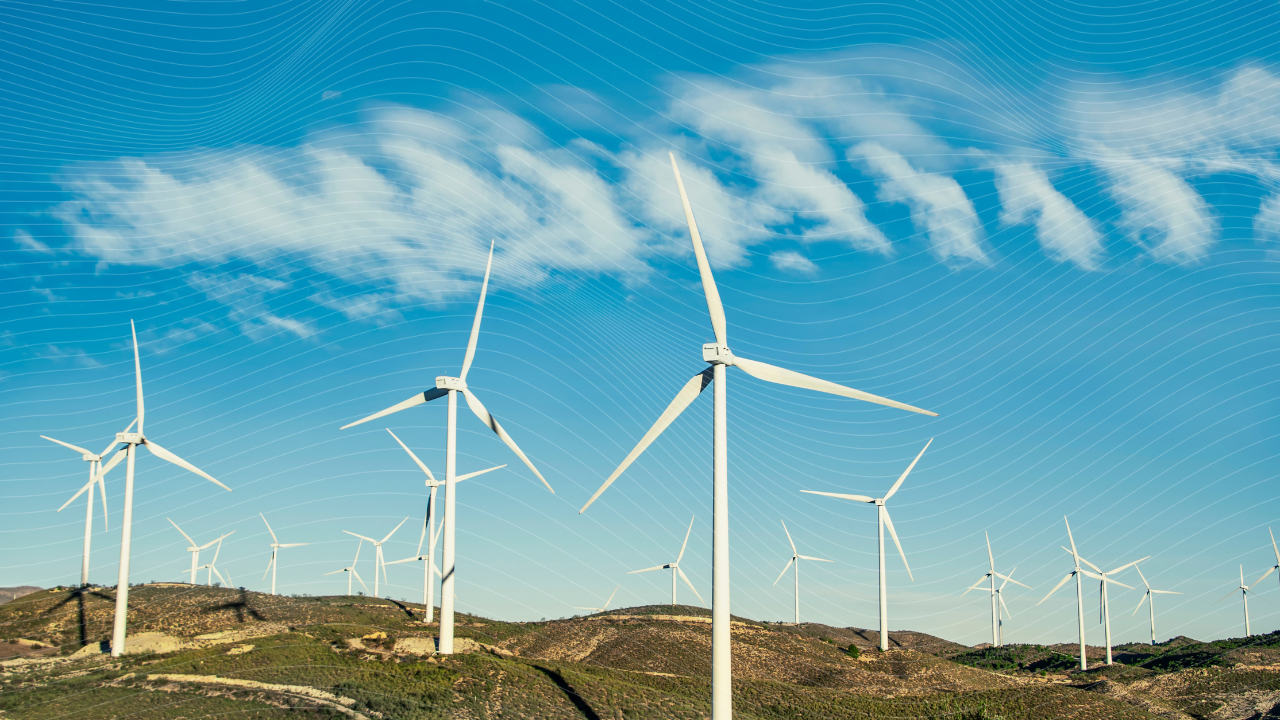
The government wants renewable electricity to provide at least 80% of power consumption by 2030, requiring major expansion of onshore wind, offshore wind, solar PV and electricity grids. Renewables already account for more than 55% of Germany's electricity consumption, with wind remaining the single largest contributor.
Yet employers continue to report difficulties hiring the people needed to deliver these projects.
At the same time, unemployment has increased in parts of the economy as manufacturing slows and several major industrial employers reduce headcount.
Those two stories are happening simultaneously.
The demographic challenge nobody can ignore
The biggest driver isn't economic.
It's demographic.
Germany's population is ageing faster than most European countries. Large numbers of experienced workers are reaching retirement age, while fewer young people are entering the workforce.
According to Germany's Federal Employment Agency, employment growth is now being driven almost entirely by international workers, with labour migration becoming increasingly important to maintaining the country's workforce.
For renewable energy developers, this creates a difficult equation.
Project pipelines continue to grow.
The experienced workforce is shrinking.
The competition for specialist talent becomes more intense every year.
The shortage isn't everywhere
One misconception is that Germany simply lacks workers.
The data tells a different story.
Germany still has millions of people looking for employment. The issue is that many available workers do not possess the specialist skills employers require.
The Federal Employment Agency identified shortages across 163 occupations in 2024, despite a softer economy. These shortages are concentrated in technical, engineering, construction and specialist trade roles rather than across the labour market as a whole.
For renewable energy businesses, those occupations often include:
- Electrical engineers
- Grid specialists
- HV commissioning engineers
- Wind technicians
- Solar installation professionals
- Project managers
- Civil engineers
- Protection and control engineers
These aren't positions that can be filled after a few weeks of training.
Many require years of experience.
Renewable energy is competing against everyone else
Another overlooked challenge is that renewable energy isn't hiring in isolation.
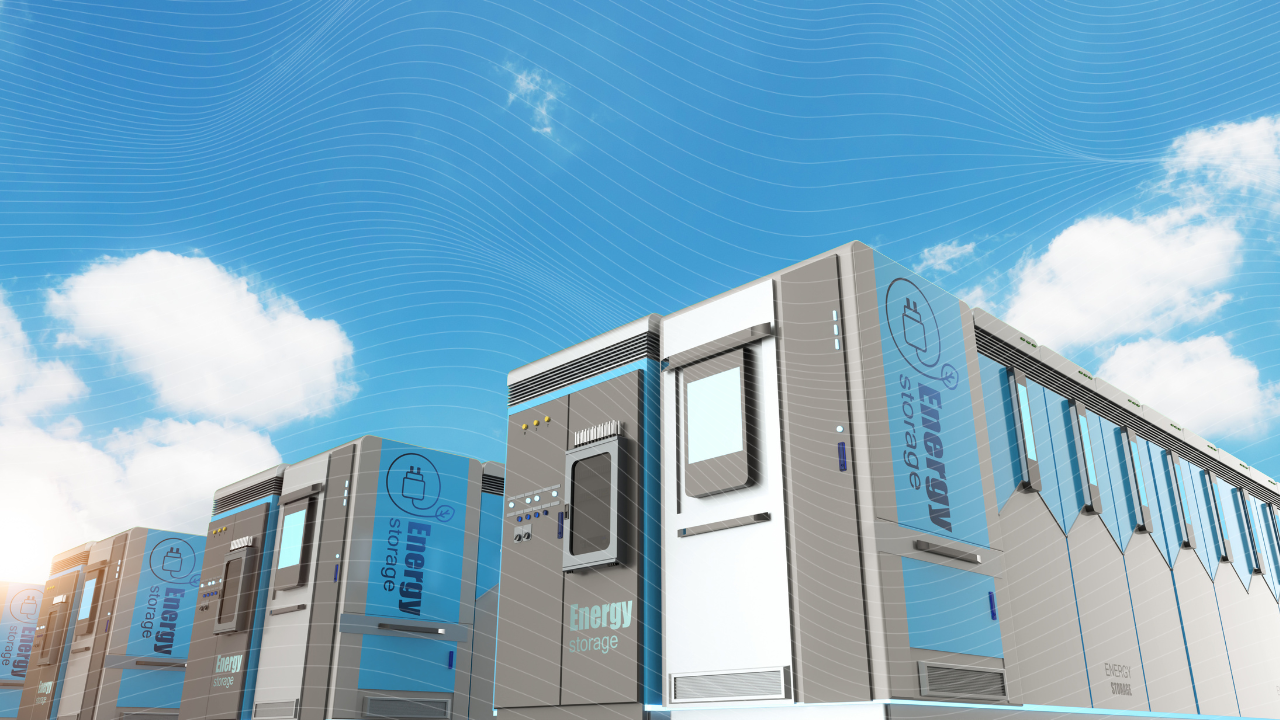
The same electrical engineers being recruited into battery storage projects may also receive offers from:
- Automotive manufacturers
- Semiconductor facilities
- Grid operators
- Data centre developers
- Industrial automation companies
Germany's energy transition has dramatically increased demand for engineering talent at exactly the same time that digital infrastructure and advanced manufacturing are expanding.
That creates wage pressure.
It also lengthens recruitment processes.
International recruitment has become essential
A decade ago, many German employers could recruit almost exclusively from the domestic market.
That is no longer realistic.
International recruitment has shifted from being a contingency plan to becoming part of long-term workforce strategy.
Government agencies openly recognise that immigration is now critical to maintaining labour market capacity.
This is particularly relevant in renewable energy, where projects often depend upon highly specialised experience that may simply not exist locally in sufficient numbers.
Many successful developers now recruit across Europe and increasingly further afield, building multilingual teams capable of moving between international projects.
The hiring process matters more than ever
The talent shortage has also exposed another issue.
Many companies still recruit as though candidates have limited options.
In reality, experienced renewable professionals frequently receive multiple approaches every month.
Long interview processes.
Delayed feedback.
Unclear decision-making.
Below-market salary expectations.
Each of these creates opportunities for competitors.
The strongest employers increasingly recognise that recruitment is no longer just about finding talent.
It is about convincing talent to choose them.
Germany's opportunity remains enormous
Despite labour market pressures, Germany remains one of Europe's most attractive renewable energy markets.
Its long-term investment pipeline is substantial.
The government's renewable targets remain ambitious.
Wind, solar and grid expansion continue at pace, supported by significant public and private investment.
The demand for skilled professionals is unlikely to disappear.
If anything, it is expected to become even more competitive over the remainder of the decade.
That creates challenges.
But it also creates opportunity.
For candidates, Germany offers one of Europe's largest renewable energy employment markets.
For employers, securing talent early may become one of the biggest competitive advantages available.

Expert Thoughts
Garry Rogerson, Director of Permanent Recruitment at Hunter Philips, believes Germany's talent shortage isn't simply about a lack of people, but about the growing competition for highly specialised professionals.
"The headline figure of 300,000 workers certainly grabs attention, but it doesn't tell the whole story. In renewable energy, the challenge isn't finding candidates, it's finding people with the right technical expertise who can make an immediate impact. Experienced engineers, project managers and grid specialists are being approached constantly, often with multiple opportunities across Europe. That means employers need to think beyond salary alone. Career progression, project quality, flexibility and speed of decision-making all play a huge role in attracting the best talent. The organisations that succeed are the ones that recognise recruitment is no longer a reactive process. It's a strategic investment that starts long before a vacancy becomes business critical."
The role specialist recruiters play
This is where sector expertise becomes increasingly valuable.
Finding an engineer isn't especially difficult.
Finding an engineer with experience commissioning utility-scale substations, connecting offshore wind farms or leading battery storage construction across multiple European markets is something entirely different.
The companies delivering projects successfully are often those that understand recruitment as part of project delivery, not simply an HR function.
The earlier workforce planning begins, the wider the talent pool remains.
Leave recruitment until construction starts, and the market has usually moved on.
Final thoughts
Germany's labour shortage is real.
But the headline figure of 300,000 workers doesn't tell the full story.
The challenge isn't simply about the number of available people.
It is about matching highly specialised skills with one of Europe's fastest-growing renewable energy markets.
For employers, success will depend on building recruitment strategies that reflect today's market rather than yesterday's.
For candidates, it presents opportunities to build careers in one of the world's most ambitious energy transitions.
The competition for talent is unlikely to ease any time soon.
The companies that recognise that today will be the ones delivering tomorrow's projects.