Grid connection: the single most in-demand skill in Germany right now
Germany does not have a shortage of renewable energy ambition.
It has projects. It has capital. It has developers ready to build. And increasingly, it has permitted capacity waiting to move forward.
What it does not have enough of is people who know how to get those projects connected to the grid.
Across solar PV, onshore wind and battery storage, grid connection expertise has become one of the most difficult capabilities to hire for in the German renewable energy market.
That is not particularly surprising when you look at what is happening on the ground.
Germany added almost 21 GW of renewable generation capacity during 2025, taking total installed renewable capacity to just under 210 GW. Solar alone added 16.4 GW, while onshore wind additions rose sharply from 2.6 GW in 2024 to 4.6 GW in 2025.
The projects are coming.
The question is increasingly: who can connect them?
Germany’s renewable build-out is putting the grid centre stage
For years, much of the renewable energy recruitment conversation centred on development.
Could you secure the land? Get planning consent? Build a pipeline? Reach financial close?
Those skills remain important. But the constraint is moving.
Germany generated 58.8% of its electricity from renewable sources in 2025. Solar generation reached 74.1 TWh, compared with 63.2 TWh a year earlier.
And the country is nowhere near finished.
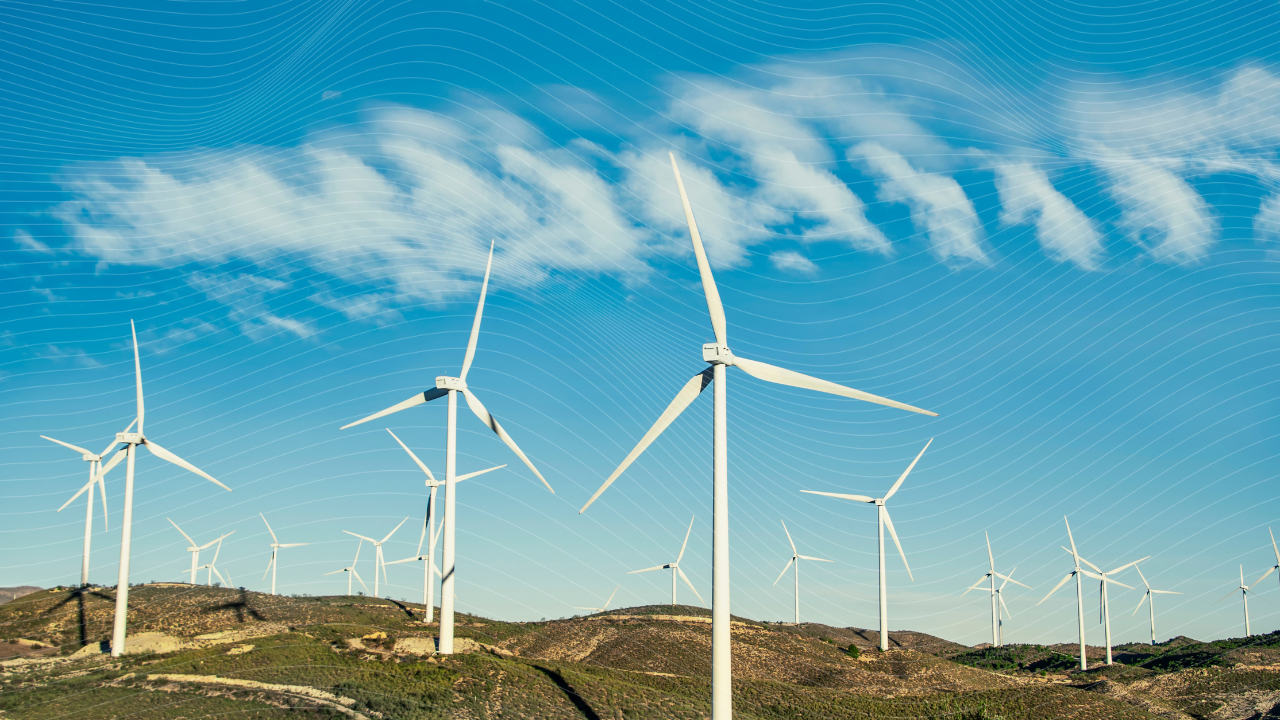
Installed solar capacity stood at 117 GW at the end of 2025, against a 2030 target of 215 GW. Onshore wind stood at 68.1 GW, with a target of 115 GW. Reaching those figures would require average annual additions of 19.6 GW of solar and 9.4 GW of onshore wind between now and 2030.
Every one of those projects ultimately meets the same physical reality.
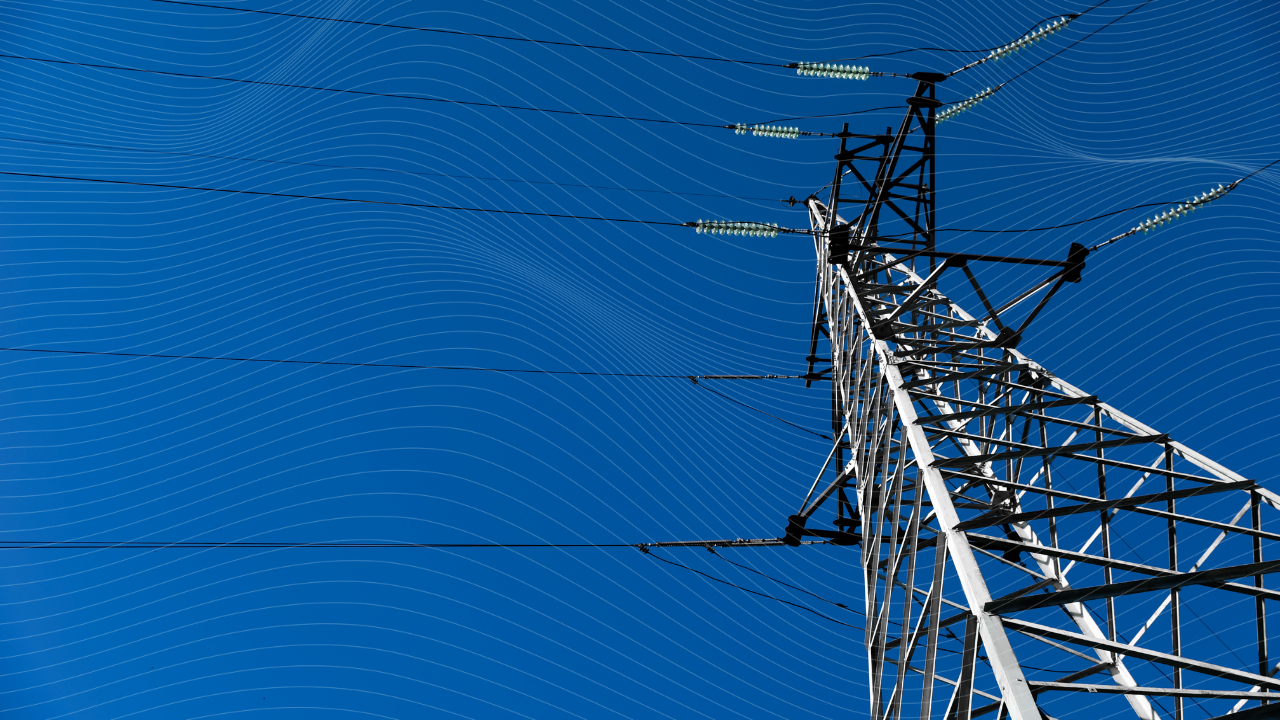
The electricity network.
A development pipeline can look exceptional on a spreadsheet, but without a viable connection strategy, it remains a pipeline.
That changes the value of the people who understand the grid.
“Can we build it?” is becoming “Can we connect it?”
This is the shift we are seeing in hiring conversations.
A strong grid connection professional sits at the point where several parts of a project meet. They need to understand the technical requirements of the network, but also how those requirements affect development timelines, project economics and commercial decisions.
They need to communicate with network operators. They need to understand connection studies and capacity constraints. They need to know when a proposed connection route is realistic and when a developer needs to reconsider its assumptions.
For employers, that combination is difficult to find.
A technically capable electrical engineer is not automatically a grid connection specialist. Equally, somebody with excellent project development experience may not have the technical depth required to challenge assumptions around connection.
The people who can operate comfortably between both worlds are increasingly valuable.
And when one good grid professional can influence whether hundreds of megawatts progress, their importance becomes difficult to overstate.
The network itself is changing quickly
Germany is making progress on the infrastructure behind the transition.
During 2025, the Bundesnetzagentur approved roughly 2,000 kilometres of power lines, around 45% more than in 2024. Major north-south HVDC projects including A-Nord, Ultranet, SuedLink and SuedOstLink also received full approval.
But expanding the physical network is only part of the challenge.
The electricity system itself is becoming more complex as conventional generation leaves the system and more wind and solar enter it. The Bundesnetzagentur explicitly identifies this changing generation mix as creating new requirements for keeping the system stable and the network secure.
For developers, that makes grid expertise relevant much earlier in the project lifecycle.
A grid connection hire is no longer somebody you bring in when a project is approaching construction.
Increasingly, you want that knowledge at origination.
Where is capacity likely to be available? What will reinforcement mean for the programme? Does the connection proposition still support the investment case? Could storage change the equation?
Those are development questions, investment questions and grid questions at the same time.
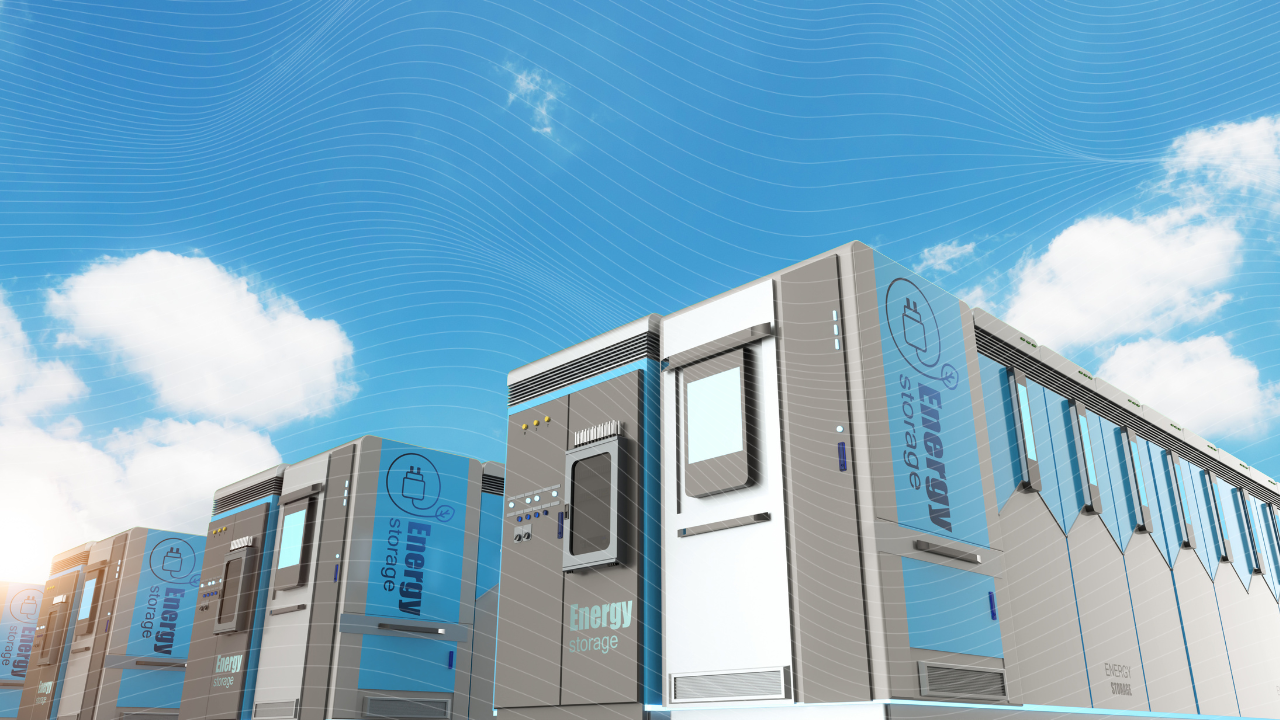
Battery storage is adding another layer
Battery energy storage makes this particularly interesting.
Storage can help a more renewable electricity system manage when and how electricity is supplied. But batteries also need grid connections, and that means another growing group of developers competing for people who understand the German network.
The result is a talent market that stretches beyond traditional grid companies.
A grid specialist might now be approached by a solar developer, an onshore wind business, a standalone BESS platform, an IPP, a utility, a consultancy or an infrastructure investor.
That breadth of demand matters.
Companies are not simply competing with businesses that look like them. They are competing with almost everybody trying to build, connect or operate electricity infrastructure.
For candidates, that creates choice.
For employers, it creates a retention problem as well as a recruitment problem.
The best grid candidates can afford to be selective
This is where hiring processes sometimes come unstuck.
Grid connection professionals understand that their experience is scarce.
The strongest candidates are unlikely to move purely because somebody puts another job description in front of them. They want to understand what they will actually be working on.
How mature is the pipeline?
How much influence will they have over site selection and development decisions?
What is the relationship with the relevant network operators?
Is grid treated as a strategic function or as a problem-solving department brought in after decisions have already been made?
And perhaps most importantly: does the business understand what good grid expertise is worth?
When the answer to those questions is unclear, good people have alternatives.
What employers should be looking for
There is no single grid connection profile that works for every renewable energy business.
A utility-scale solar developer may need something different from a BESS platform or an offshore infrastructure business.
But the strongest people tend to have one thing in common: they can translate technical grid issues into practical project decisions.
That might mean understanding connection applications and studies in detail. It might mean managing relationships with TSOs and DSOs. It could involve assessing grid capacity during early-stage development or working through the consequences of reinforcement requirements.
Technical competence matters.
So does judgement.
Because the person who tells you that a connection strategy will not work can be just as valuable as the person who finds a route that does.

Expert Thoughts
Garry Rogerson, Director of Permanent Recruitment at Hunter Philips, believes grid connection expertise has become one of the most valuable skill sets in Germany's renewable energy market because it sits directly between ambitious project pipelines and the practical reality of getting projects built.
"Germany isn't short of renewable energy projects, but having a strong pipeline and being able to connect that capacity are two very different things. That's why we're seeing such strong competition for people who genuinely understand grid connection. The best professionals combine technical knowledge with an understanding of development, project economics and how to work effectively with network operators. Those people can have a direct impact on whether a project progresses, gets delayed or needs to be reconsidered entirely. Solar, wind and battery storage developers are increasingly competing for the same relatively small pool of specialists, so employers can't afford to treat grid recruitment as something that happens late in the development process. The businesses getting this right are thinking about grid capability much earlier and recognising that securing the right person can ultimately protect an entire project pipeline."
A market where specialist knowledge matters
Germany’s energy transition is reaching a stage where renewable generation cannot be considered separately from the infrastructure connecting it.
That has implications for recruitment.
Businesses that treat grid connection as a niche engineering requirement risk discovering too late that it is actually central to project delivery.
The market numbers make the scale clear. Germany is already approaching 210 GW of installed renewable capacity, while significant additional solar and wind capacity still needs to be added before 2030. At the same time, the country is undertaking a major expansion and restructuring of its electricity network.
The people who understand how those two worlds fit together are therefore sitting at one of the most important points in Germany's energy transition.
There may be more glamorous job titles in renewable energy.
Right now, there are few more consequential skill sets.
Final Thoughts
At Hunter Philips, we work across the renewable energy market internationally, giving us a close view of where technical hiring pressure is building and which capabilities are becoming harder to secure.
In Germany today, grid connection sits very near the top of that list.
For renewable energy businesses, finding the right person can have an impact far beyond filling a vacancy. It can influence which projects progress, how quickly they progress and whether the original development case survives contact with the realities of the network.
And for grid professionals considering their next move, there has rarely been a better time to understand what your experience is worth.