Permanent salaries in Grid and T&D - where the market sits in 2026
The conversation around salaries in Grid and Transmission & Distribution has changed noticeably over the past 18 months.
A few years ago, employers could often attract candidates by offering an opportunity to work on landmark infrastructure programmes. Today, that still matters, but it is rarely enough on its own.
Permanent professionals across transmission, distribution and grid integration know the market has shifted. Major investment programmes across the UK and Europe have created sustained demand, while AI-driven data centre growth, electrification and renewable energy connections continue to place pressure on ageing electricity networks. The result is a market where experienced people remain difficult to replace, even if salary inflation has begun to stabilise.
For employers, the question is no longer simply "What should we pay?" It's whether the overall package is competitive enough to secure the people needed to deliver increasingly complex programmes.
Demand remains high, but the market is maturing
Grid recruitment is no longer driven by one single trend.
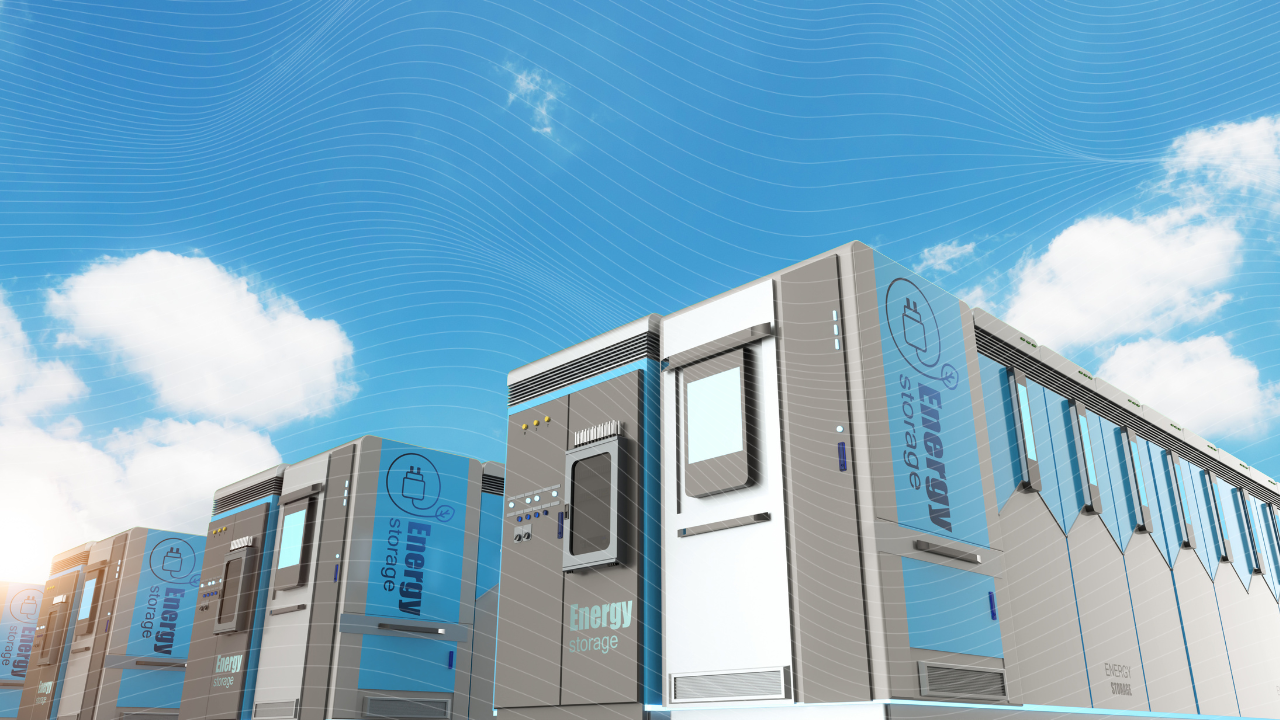
Transmission expansion, substation upgrades, offshore wind connections, battery storage, interconnectors and major reinforcement projects are all competing for many of the same engineering professionals.
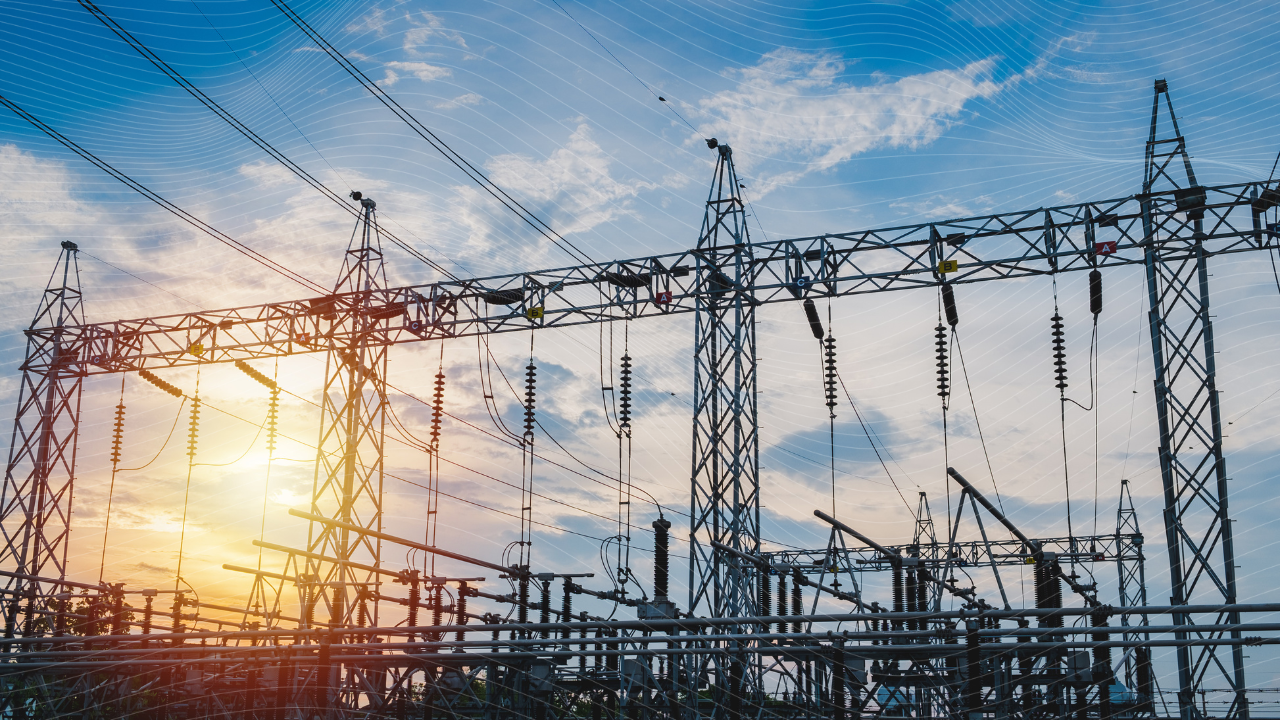
Across Europe, governments and network operators continue to accelerate investment in grid infrastructure to remove connection bottlenecks and improve energy security. The European Commission's Grids Package, introduced at the end of 2025, reflects just how central electricity networks have become to the wider energy transition.
At the same time, network owners across the UK continue to increase headcount as investment programmes gather pace. National Grid, ScottishPower Energy Networks, SSE and UK Power Networks have all publicly announced significant recruitment plans as they prepare for the next regulatory period.
That demand is creating a healthy permanent recruitment market rather than an overheated one.
Salary growth has slowed, but expectations have not
The rapid salary increases seen during 2022 to 2024 have largely settled.
That doesn't mean salaries are falling. Instead, employers are becoming more disciplined, while candidates have become far clearer about what they expect from a move.
For experienced professionals, today's hiring decisions are increasingly influenced by:
-
Long-term project security
-
Flexible working arrangements
-
Career progression
-
Technical challenge
-
Pension and bonus structures
-
Company reputation
-
Leadership quality
Salary remains important, but it is now part of a broader decision.
We regularly see candidates accepting slightly lower headline salaries where the opportunity offers better progression, stronger leadership or greater project stability.
The biggest premiums are still paid for experience
The strongest salary growth continues to sit within specialist and leadership positions.
Professionals with proven experience delivering high-voltage transmission projects, substation design, protection and control, commissioning, grid connections and EPC project delivery continue to receive multiple approaches from employers.
Hiring managers consistently tell us the same thing.
"Finding applicants isn't the problem. Finding someone who's delivered similar projects before is."
That distinction matters.
Many organisations are prepared to invest in developing junior engineers. Far fewer are willing to compromise when recruiting experienced technical specialists capable of leading critical infrastructure programmes.
Counteroffers remain common
One of the defining characteristics of the 2026 market is the rise in counteroffers.
With experienced engineers becoming increasingly difficult to replace, many employers are choosing retention over recruitment.
Candidates who resign frequently receive improved salary packages, retention bonuses or accelerated promotion opportunities.
That means employers need to move decisively once they identify the right person.
Long interview processes continue to be one of the biggest reasons offers are lost.
Data centres have become another competitor
One of the biggest shifts over the past year has been the growing influence of data centre infrastructure.
Hyperscale developments require significant power infrastructure, creating additional demand for grid engineers, electrical specialists and project managers who were already in short supply.
In many cases, employers that previously only competed with utilities or renewable developers are now also competing with data centre operators and their supply chains. Rising electricity demand linked to AI infrastructure is accelerating investment in transmission assets across multiple markets.
For candidates, that means more options.
For employers, it means stronger competition.

Expert Thoughts
Ken Meaney, Director, Specialist in the Power Grid sector at Hunter Philips, believes salary conversations in Grid and T&D have become far more nuanced than they were just a few years ago.
"We're no longer seeing candidates move for salary alone. Experienced Grid and T&D professionals have plenty of options, so they're looking at the whole package. Career progression, project pipeline, leadership, flexibility and long-term stability all carry significant weight alongside remuneration. Employers that focus solely on matching salaries often miss the bigger picture. The businesses attracting the strongest permanent talent are those that can clearly demonstrate where the company is heading, the projects they'll be working on and how someone's career will develop over the next five years. In a market where specialist experience remains in short supply, a compelling offer goes well beyond the number on the contract."
Hiring speed is becoming a competitive advantage
The employers securing the strongest permanent talent are not always those offering the highest salaries.
They're often the organisations with:
-
Clear interview processes
-
Quick decision making
-
Transparent communication
-
Competitive benefits
-
Realistic salary benchmarking
Candidates have become increasingly selective.
A lengthy recruitment process can easily result in losing strong applicants to competing offers.
Looking ahead
The fundamentals supporting permanent hiring in Grid and T&D remain exceptionally strong.
Europe continues to invest heavily in transmission expansion, network resilience and grid modernisation. Renewable generation continues to grow, battery storage capacity is increasing rapidly and electricity demand from transport, heating and digital infrastructure shows little sign of slowing.
That means demand for experienced permanent professionals is unlikely to disappear.
Salary inflation may be more measured than it was two or three years ago, but competition for the very best people remains intense.
For employers, successful hiring in 2026 is about balancing competitive salaries with speed, culture and long-term career opportunities.
For candidates, the market continues to offer excellent opportunities, provided they have the technical experience employers genuinely struggle to find.