The bottleneck is grid, not generation
There was a time when the biggest question in renewable energy was simple: Can we build enough wind farms and solar parks?
Today, that question has changed.
Across Europe, North America and many parts of Asia-Pacific, developers have proven they can deliver generation at scale. Solar is now one of the cheapest forms of electricity ever produced, offshore wind continues to grow in capacity, and battery storage is attracting record investment.
The problem is no longer producing clean electricity.
The problem is getting it onto the grid.
As one International Energy Agency report put it, electricity grids are now emerging as the critical bottleneck connecting supply, demand and storage.
For developers, investors and the people responsible for delivering projects, this shift is changing where success is won or lost.
We don't have a generation problem
Look at almost any mature renewable market and you'll see the same story.
Developers have healthy project pipelines. Equipment continues to improve. Capital remains available for well-structured projects. Corporate demand for renewable electricity is strong.
Yet many projects that are fully permitted and ready to build remain stuck waiting years for a grid connection.
In Europe alone, reports suggest more than 1,700 GW of renewable projects are sitting in grid connection queues because network infrastructure simply cannot keep pace with the speed of renewable deployment.
The irony is difficult to ignore.
The industry has become incredibly efficient at building generation assets, while the infrastructure needed to connect them has become the slowest moving part of the entire process.
Grid infrastructure was built for a different world
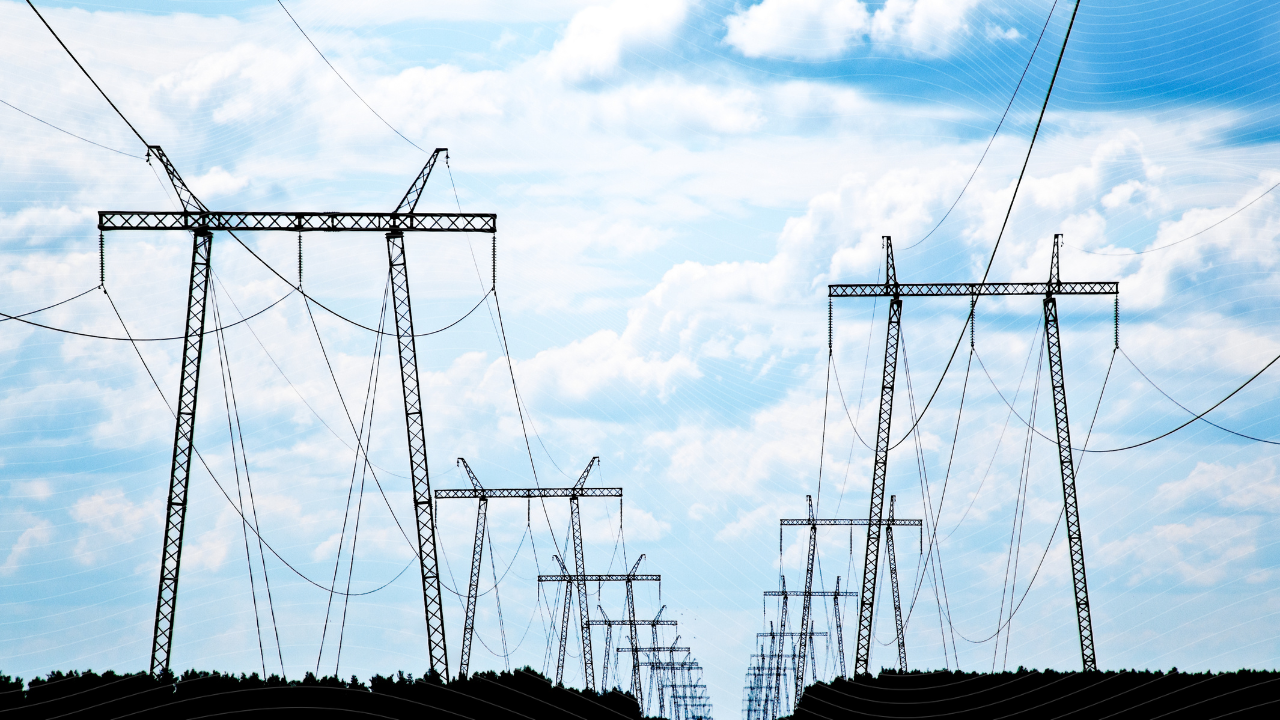
Most electricity networks were never designed for today's energy landscape.
Historically, power flowed in one direction. Large coal, gas or nuclear stations generated electricity, which travelled through transmission networks before reaching homes and businesses.
Today's system is fundamentally different.
Electricity now comes from thousands of distributed renewable assets, offshore wind farms, utility-scale solar, rooftop solar, battery storage, electric vehicles and flexible demand.
That creates an entirely different engineering challenge.
It's no longer just about building more cables.
It's about creating a smarter, more flexible network capable of handling two-way power flows, variable generation and rapidly changing demand.
Grid modernisation has become just as important as renewable deployment itself.
The connection queue has become the new planning battle
Developers often say permitting is the hardest part of delivering renewable projects.
Increasingly, connection agreements are becoming even more difficult.
In several markets, projects that could be operational within two or three years face connection dates stretching well into the next decade.
Governments have recognised the issue.
In Great Britain, reforms are being introduced to tackle speculative applications and prioritise projects that can genuinely deliver. Some connection queues have expanded dramatically, leading to waits of up to 15 years for certain projects.
This creates uncertainty that affects everyone involved.
Investors delay decisions.
Developers reconsider locations.
Supply chains become harder to plan.
Recruitment slows because project timelines become unpredictable.
Storage helps... but it doesn't solve everything
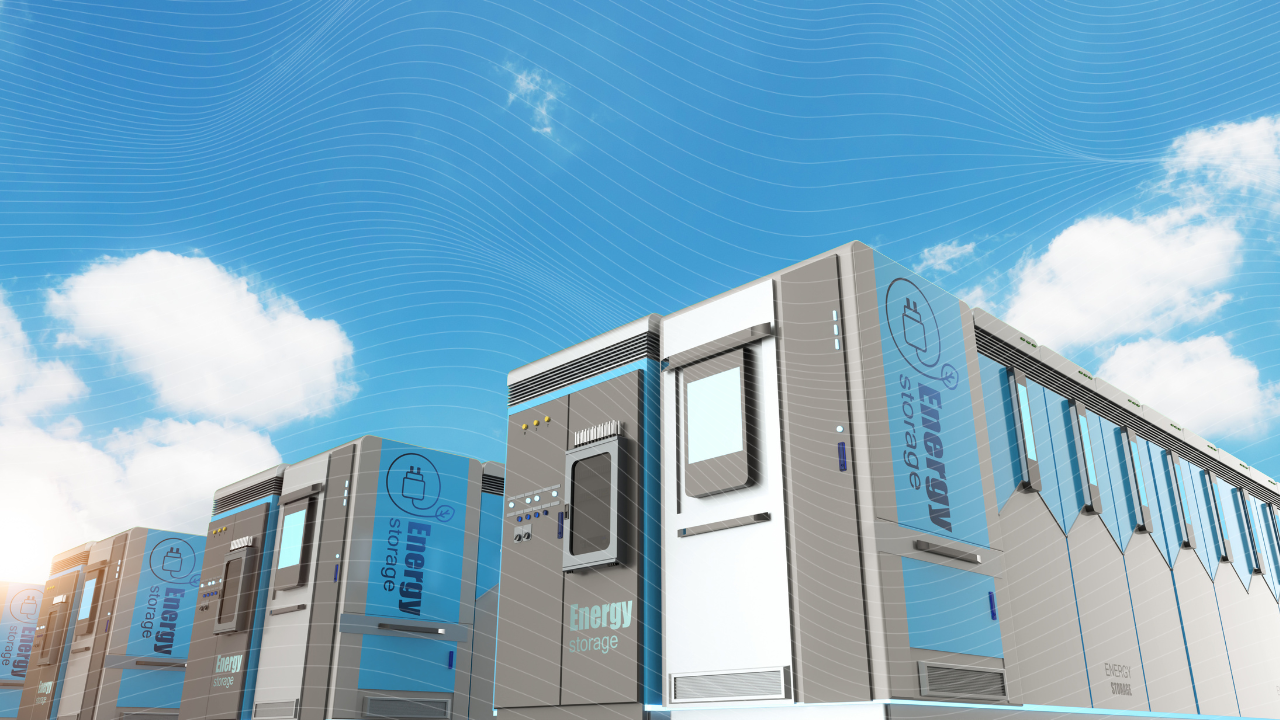
Battery storage has become one of the fastest growing sectors in renewable energy for good reason.
It provides flexibility.
It helps smooth intermittent generation.
It reduces congestion in certain parts of the network.
But batteries are not a substitute for transmission infrastructure.
They are part of the solution, not the entire answer.
Future electricity systems will require a combination of new transmission, upgraded substations, digital grid management, demand flexibility, interconnectors and storage.
The conversation has moved beyond simply adding more generation.
It's about building an entire system that works together.
The talent challenge is changing too
This shift has created a significant change in hiring priorities.
Five years ago, many renewable employers focused heavily on project development, engineering and construction.
Those roles remain essential.
But today we're seeing increasing demand for professionals with expertise in:
- Grid connections
- Power systems engineering
- Transmission planning
- Protection and control
- Network modelling
- Grid integration
- Battery optimisation
- System operations
These are no longer niche disciplines.
They're becoming some of the most commercially valuable skill sets in the energy transition.
For candidates, that creates enormous opportunities.
For employers, it creates an increasingly competitive hiring market.
Because while new wind turbines and solar panels can be manufactured, experienced grid specialists cannot be produced overnight.
The next race isn't building generation
It's tempting to measure renewable progress by installed capacity.
Another gigawatt of offshore wind.
Another solar park commissioned.
Another battery project announced.
Those numbers matter.
But they increasingly tell only half the story.
The real race is now about enabling those assets to operate efficiently.
That means faster grid upgrades.
Smarter network planning.
Better forecasting.
Digitalisation.
Greater flexibility.
Without those investments, renewable capacity risks sitting idle while waiting for access to the network.
Recent European analysis estimates that at least 120 GW of planned renewable capacity is already at risk because of grid constraints, with delays affecting everything from utility-scale generation to rooftop solar installations.

Expert Thoughts
Ken Meaney, Director and Power Grid Specialist at Hunter Philips, believes the industry's biggest challenge has moved beyond building renewable generation to enabling it.
"Across the renewable energy sector, we're seeing developers with strong project pipelines and investment in place, but increasingly they're being held back by grid capacity rather than generation. The conversation has shifted from 'Can we build it?' to 'Can we connect it?'. That makes grid expertise one of the most valuable skill sets in the market today. Whether it's transmission planning, grid connections or system integration, organisations that invest early in the right people are far better placed to keep projects moving and avoid costly delays. As the energy transition accelerates, solving the grid challenge will be just as important as building the next wind farm or solar park."
Why this matters for hiring
Grid infrastructure may not generate headlines in the same way as a record-breaking offshore wind farm.
But it has become one of the defining challenges of the global energy transition.
Organisations that understand this are already adapting.
They're investing earlier in specialist engineering teams.
Recruiting grid experts before projects reach critical stages.
Building capability around system integration rather than treating it as a late-stage consideration.
For recruitment, the implications are clear.
The companies that secure the right grid expertise today are far more likely to keep projects moving tomorrow.
Because the question facing renewable energy is no longer whether we can generate enough clean electricity.
Increasingly, it's whether our networks are ready to carry it.