How to build a long-term career in Solar PV
The solar PV sector has moved well beyond its early growth phase. What was once seen as a niche technology is now central to global energy strategies, with governments, investors and utilities all placing serious weight behind solar deployment. That shift has created something more valuable than short-term opportunity... it has created careers.
But building a long-term career in Solar PV is not as simple as entering the industry at the right time. The professionals who last are those who adapt, specialise, and understand where the market is heading next.
At Hunter Philips, we spend our time speaking to both hiring managers and candidates across global solar markets. Patterns emerge quickly. Some careers plateau early. Others compound over decades.
This is what separates the two.
The Early Years - Getting a Foot in the Door
Most Solar PV careers still begin in one of three areas: engineering, project development, or commercial roles.
For early-stage professionals, the focus is less about perfection and more about exposure.
As one Solar Project Director we recently spoke to put it:
“My first role wasn’t glamorous. I was doing site assessments and paperwork. But I said yes to everything. Within two years, I understood the full lifecycle of a solar project.”
That breadth matters. Solar PV is a project-driven industry. Understanding how development, financing, construction and operations connect will always give you an edge.
Typical entry points include:
- Junior design engineer roles
- Project support or coordination
- Analyst roles in development or investment teams
The key is proximity to live projects. Theory has its place, but solar rewards those who understand delivery.
Specialisation vs Versatility - Knowing When to Choose
A common mistake in Solar PV careers is specialising too early... or not specialising at all.
In the first five years, versatility is an advantage. You want exposure to different project stages, markets, and technologies. But beyond that, depth becomes more valuable.
The market increasingly rewards specialists in areas such as:
- Grid connection and integration
- Utility-scale project development
- Energy storage co-location
- Solar asset management
- Commercial and PPA structuring
A Head of Development we placed in Southern Europe explained it simply:
“Generalists get you started. Specialists get you promoted.”
That does not mean narrowing your options completely. It means becoming known for something specific, while still understanding the broader ecosystem.
The Shift Towards Hybrid Projects
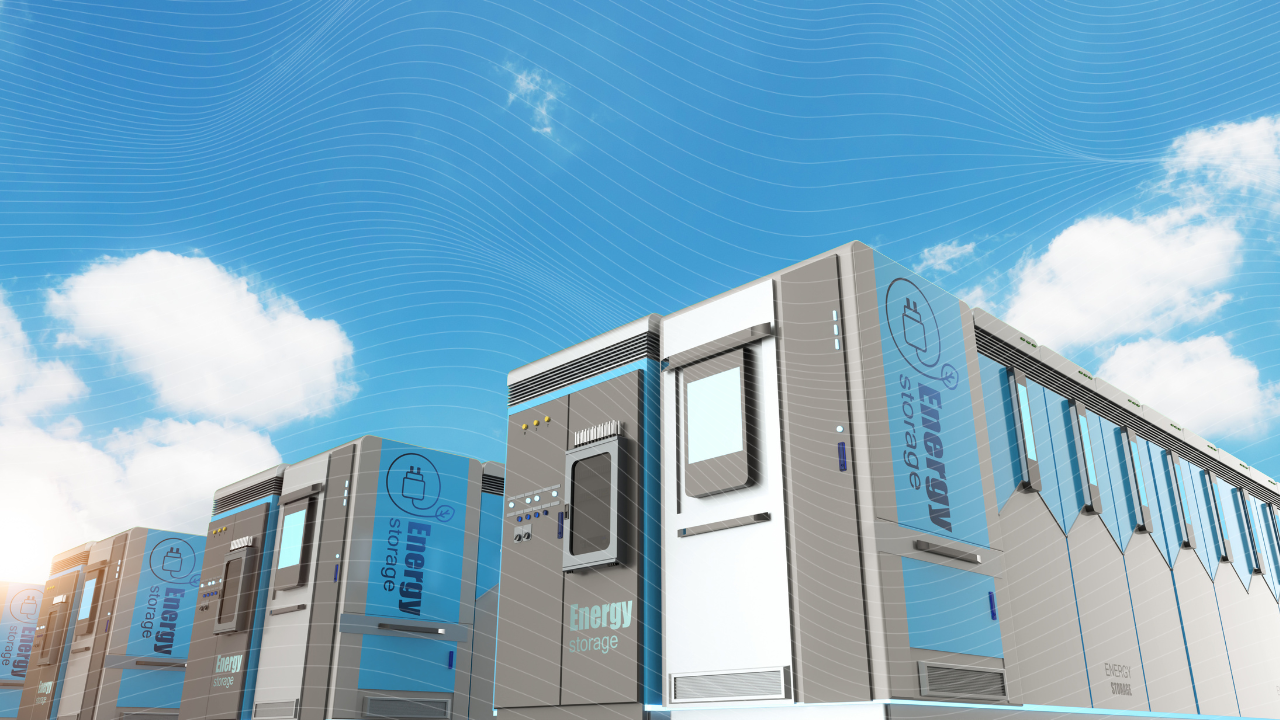
One of the biggest structural changes in Solar PV careers is the rise of hybrid energy systems.
Solar is no longer operating in isolation. Battery storage, grid services, and flexible generation are now part of the same conversation.
Professionals who understand this shift are positioning themselves for longevity.
A Grid Integration Manager told us:
“Five years ago, solar engineers didn’t need to think about storage. Now it’s part of almost every serious project. The skillsets are merging.”
For candidates, this means:
- Learning how solar interacts with battery storage
- Understanding grid constraints and curtailment
- Building knowledge of energy markets, not just generation
Those who stay purely within “traditional solar” risk being left behind as projects become more complex.
Geographic Mobility - A Career Multiplier
Solar PV is global by nature, but not all markets mature at the same pace.
Careers often accelerate when individuals are willing to move between regions.
We have seen professionals build strong trajectories by moving through:
- Emerging markets with rapid project pipelines
- Mature markets with complex regulatory frameworks
- Regions investing heavily in grid and storage integration
A Senior Construction Manager shared:
“I spent three years in Southeast Asia where projects moved fast. Then I moved back to Europe and suddenly I had experience others didn’t.”
Mobility builds perspective. It also signals adaptability, which is highly valued by employers managing international portfolios.
The Importance of Commercial Awareness
Technical capability alone is no longer enough in Solar PV.
As the industry matures, margins tighten and projects become more financially complex. Professionals who understand the commercial side of solar stand out quickly.
This includes:
- Power Purchase Agreements
- Project financing structures
- Cost optimisation across the project lifecycle
- Risk management
One Investment Director put it bluntly:
“The best engineers we hire are the ones who understand money. If you can link technical decisions to financial outcomes, you become very valuable.”
This is often the difference between mid-level roles and leadership positions.
Leadership - The Long-Term Differentiator
Solar PV is still experiencing a talent shortage at senior levels. Not because there are not enough people... but because there are not enough leaders.
Technical progression will only take you so far. Long-term careers require the ability to lead teams, manage stakeholders, and deliver projects under pressure.
A VP of EPC we recently partnered with said:
“At senior level, no one cares if you can design a system. They care if you can deliver a 500MW pipeline on time.”
Leadership in solar often includes:
- Managing multidisciplinary teams
- Navigating regulatory challenges
- Communicating with investors and stakeholders
- Making decisions with incomplete information
These are skills built over time, not taught overnight.
Staying Relevant - Continuous Learning
Solar PV is not static. Technology evolves, regulations shift, and new markets emerge.
The professionals who build long-term careers are those who keep learning.
This does not always mean formal education. It can be:
- Staying close to industry news
- Learning from project challenges
- Expanding into adjacent technologies like storage or hydrogen
One candidate we placed into a senior asset management role described it well:
“Every project teaches you something new. If you stop paying attention, the industry moves past you.”

Expert Thoughts
Summer Mee, Permanent Recruitment Consultant specialising in Project Development within Solar PV, sees a clear pattern when it comes to long-term career success in the sector:
“I often see candidates focus too much on job titles rather than what they’ve actually delivered. In Solar PV, longevity comes from real project exposure - understanding different stages, pipeline scale, and markets. Hiring managers want evidence you can take projects from concept through to operation. The strongest candidates make deliberate moves, aligning themselves with where the industry is heading, whether that’s storage, new regions, or more complex financing. It’s not about moving quickly, it’s about moving with purpose. Increasingly, those who combine technical or development experience with commercial awareness are the ones who progress into leadership and have real control over their careers.”
Where Hunter Philips Fits In
At Hunter Philips, we work closely with both candidates and hiring managers across Solar PV globally.
We see firsthand how careers develop... and where they stall.
Our role is not just to place individuals into roles, but to help shape long-term career trajectories that align with where the industry is going.
We understand:
- Which skills are in demand across different regions
- How hiring expectations are evolving
- Where opportunities are emerging within solar and hybrid energy systems
As outlined in our approach, we focus on being clear, informed, and grounded in real market insight rather than overcomplication.
Final Thoughts - Building a Career That Lasts
A long-term career in Solar PV is not built on luck or timing alone.
It is built on:
- Early exposure to real projects
- Smart specialisation
- Understanding industry shifts like storage integration
- Developing commercial awareness
- Building leadership capability over time
The industry will continue to grow. That much is clear.
The real question is not whether Solar PV will create opportunities... it is whether you are positioning yourself to grow with it.